
Growing the actual use, customs and habits of walking and biking in a community requires a comprehensive approach combining on-the-ground improvements ("infrastructure") with a wide range of supportive social, educational and safety campaigns (non-infrastructure or “programs” measures).
The "6Es" is the name given to a useful framework that can be used to organize such a comprehensive set of initiatives. Each of the six Es corresponds with one of the areas where work and energy must be directed for the plan's overall success:
Engineering
Engineering recommendations focus on “on-the-ground” improvements - including the planning, design, construction, and maintenance of infrastructure or facilities - like roads, sidewalks, bikeways, intersection treatments, signage, and end-of-trip facilities.
Education
Education programs share information about how to access and use existing facilities and amenities, about the rules of the road, and about benefits associated with walking and biking investments. Education initiatives include network maps, pedestrian and bicycle safety trainings, and educational campaigns, among others.
Encouragement
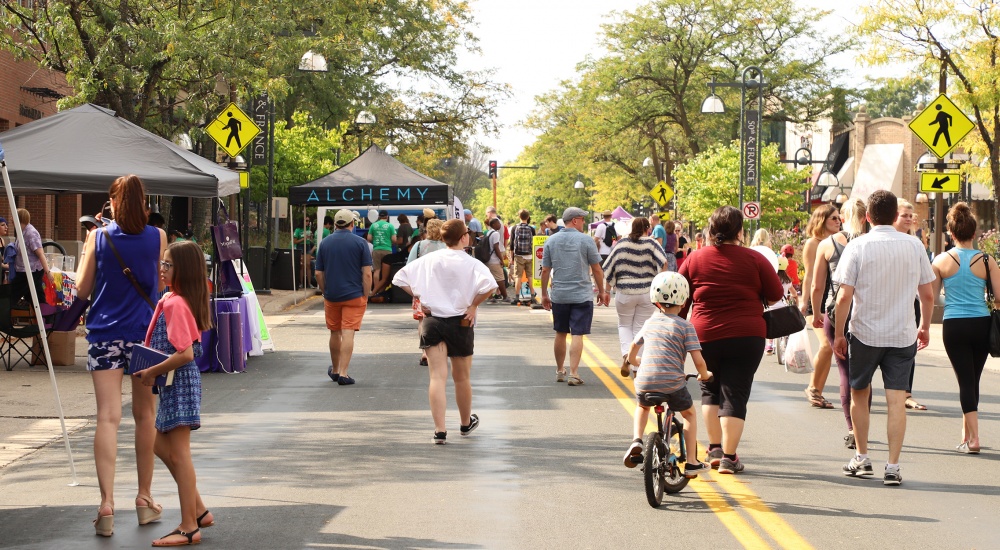
Encouragement programs inspire more people to try walking or biking through fun and inviting activities including friendly competitions, incentive programs, inclusive group rides, and community-wide events like Open Streets.
Enforcement
Enforcement programs often include participation from local law enforcement with a focus on enforcing traffic safety laws like speed limits, parking regulations, and safe roadway behavior from all users.
Evaluation
Evaluation programs measure the success of investments at achieving desired outcomes. Evaluation takes place before and after programming and infrastructure improvements to establish a baseline and measure progress overtime. Examples of performance measures that may be evaluated include public perception, behavioral changes and modal shifts, and network safety.
Equity
Equity focuses on distributing facility and programming improvements fairly throughout a community to ensure that residents of all neighborhoods and population groups have equal access to high quality facilities and programs. Equity includes intentional efforts for engaging specific diverse populations, and implementation of infrastructure and programs throughout a community to overcome economic, geographic, social, and physical barriers to walking and biking.